Types of Pallet Jacks: Pros and Cons You Should Know

Published September 10, 2025
If you move heavy items in a warehouse, store, or workshop, you’ve probably seen pallet jacks in action. Pallet jacks make it easier to move bulky things from one spot to another. But did you know there are many different types of pallet jacks? Each type has its own pros and cons, and picking the right one will make your job easier and safer.
In this simple guide, we’ll break down the main types of pallet jacks, what they do best, and what you should watch out for. By the end, you’ll know which option fits your needs.
What Are Pallet Jacks?
Pallet jacks (sometimes called pallet trucks or pump trucks) are tools made to lift and move heavy setups called pallets. With a pallet jack, you slide its forks under a pallet and use it to move the whole load without much heavy lifting. Most warehouse, retail, and factory workers use pallet jacks, since they help cut down on injuries and speed up work.
Types of Pallet Jacks and How They Work
Let’s look at the different types of pallet jacks and see what sets them apart.
Manual Pallet Jacks
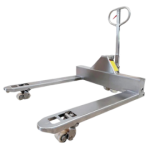
Manual pallet jacks are the classic style most people know. They don’t need batteries or cords. You pump the handle up and down to lift the load using a simple hydraulic system. Then you pull or push the pallet jack to move the goods.
Pros of Manual Pallet Jacks:
- Very affordable: Manual pallet jacks are the cheapest type to buy or rent.
- No electricity needed: You can use them anywhere, even if power is out.
- Easy to maintain: Just keep the parts oiled and the wheels clean.
- Lightweight: They are easy to store and carry around.
Cons of Manual Pallet Jacks:
- More work for you: You’ll use muscle power to move heavy loads, which gets tiring.
- Lower weight limits: Most manual jacks can handle up to about 5,000 pounds, but heavy-duty jobs may need more.
- Slower operation: Moving lots of pallets by hand takes longer.
- Only for smooth floors: They work best on flat, even surfaces.
Electric Pallet Jacks
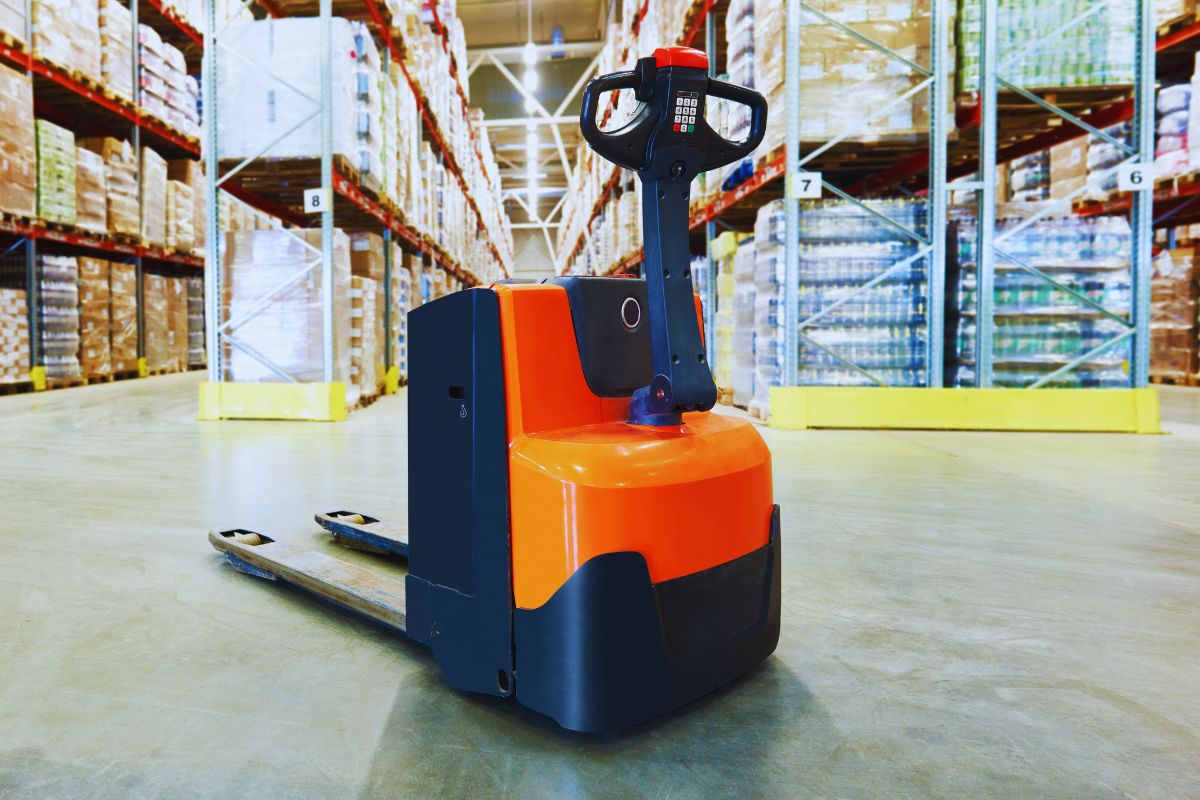
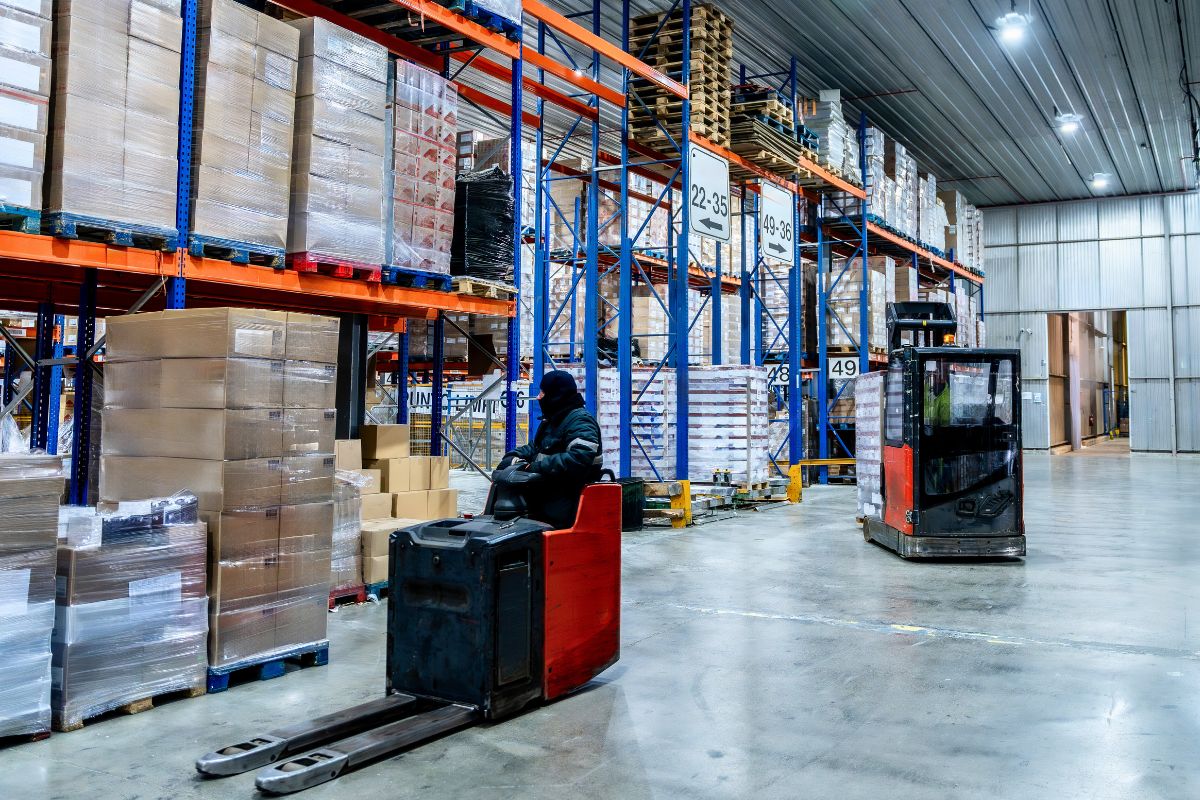
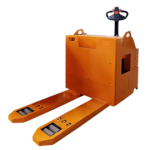
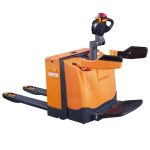
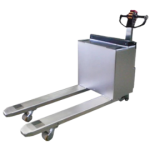
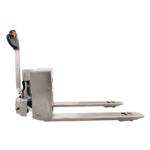
Electric pallet jacks use a battery and an electric motor to lift and move pallets. Some are “walkie” types, where you walk behind and steer them. Others are “rider” types, where you stand on a small platform and ride along as you work.
Pros of Electric Pallet Jacks:
- Easy to use: The motor does most of the lifting and moving for you.
- Move more, faster: You can transport more pallets in less time.
- Good for heavy loads: Some electric models can move up to 8,000 pounds or more.
- Better for big spaces: Rider types are great in large warehouses.
Cons of Electric Pallet Jacks:
- Higher price: They cost more upfront than manual jacks.
- Needs charging: You’ll have to keep the batteries charged and sometimes change them out.
- Extra maintenance: Electric models have more parts that can break or wear out.
- Some training: Operators need to learn how to use them safely.
Adjustable Width Pallet Jacks
These pallet jacks have forks that you can move closer together or farther apart. They are good for work sites with pallets of different sizes.
Pros:
- Works with all kinds of pallet sizes.
- Reduces the need for extra equipment.
Cons:
- Costs a little more.
- Changing the fork width can slow down work.
Weighing Scale Pallet Jacks
Some pallet jacks come with built-in scales. As you lift a pallet, you see its weight right away.
Pros:
- Saves you a step by lifting and weighing at the same time.
- Good for shipping and inventory.
Cons:
- Costs more than basic models.
- The scale can get damaged if not handled carefully.
Stand-Up and Rider Pallet Jacks
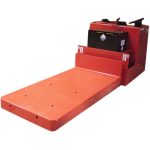
With these types, you ride on the jack instead of walking. This feature is ideal for moving loads over long distances inside big warehouses.
Pros:
- Less tiring, which means you get to ride instead of walking.
- Moves faster, so it saves a lot of time.
Cons:
- Needs more space to turn and operate.
- Costs more and may need special training.
All-Terrain Pallet Jacks
All-terrain jacks have bigger wheels and stronger frames. They are made for outdoor use and rough ground.
Pros:
- Can move loads on gravel, dirt, or uneven concrete.
- Built to handle tough jobs.
Cons:
- Too bulky for tight spaces indoors.
- More expensive than standard jacks.

How to Choose the Right Type of Pallet Jack
Now that you know the types of pallet jacks out there, let’s figure out how to pick the best one for you.
- Think about your space: Small spaces with narrow aisles are better for manual or walkie electric jacks. Large, open warehouses may be better for rider models.
- Check your loads: If you move pallets under 4,000 pounds, manual may be just fine. For heavier loads, look for electric types.
- Remember your floors: Only use standard jacks on even floors. Use all-terrain types outdoors or where surfaces are rough.
- How often will you use it? Manual jacks are best for light or occasional jobs. If you use pallet jacks every day, an electric type will help your team work longer and more safely.
Get Expert Help from Powered Pallet Trucks
If you’re still not sure which type of pallet jack is right for your business, check out Powered Pallet Trucks. Their team knows all about the different types of pallet jacks and can point you to the exact model you need. Whether you want a simple manual jack, a heavy-duty electric model, or something special, they’ll help you compare features and make a smart choice. Visit their site to get advice or shop for the best pallet jacks for your business.
Final Thoughts
Pallet jacks are must-have tools for moving loads quickly and safely. There are many types of pallet jacks, manual, electric, adjustable, scale, rider, and all-terrain jacks. Each one has its own pros and cons. Think about where you’ll use your pallet jack, how much you need to move, and how often you’ll use it. Picking the right type now will help you work faster, keep your team safer, and save money in the long run.
If you need help, don’t go it alone, reach out to the experts and make sure you get the best type of pallet jack for your job!
Looking for reliable pallet trucks or forklifts?
Superlift offers top-quality materials handling equipment built to keep your operations moving. Explore our full range today and find the right solution for your business.

About The Author
Meet Rei Bayucca, a content specialist at Superlift, bringing clarity to complex topics in materials handling. From pallet trucks to forklifts, Rei’s insights help businesses move smarter.