The Ultimate Guide to Choosing Roll Handling Equipment

Published February 6, 2026
Moving large, heavy rolls of material like paper, film, or metal can be one of the riskiest jobs in a warehouse or manufacturing plant. It’s not just about the weight; it’s about the awkward shape and the potential for damage to both the product and your team. This is where specialized roll handling equipment becomes essential, not just a luxury. Getting it right means a safer workplace, less product waste, and a more efficient operation.
As experts in material handling, we’ve seen firsthand how the right equipment can transform a facility. This guide will walk you through everything you need to know to select the perfect roll handling equipment for your needs.
We’ll cover why it’s so important, the different types available, and the key factors you need to consider before making a decision.
Why Proper Roll Handling is a Game-Changer
Handling large rolls manually is a recipe for disaster. It exposes employees to significant risks, particularly back injuries, which are a leading cause of workplace-related issues. Using the wrong equipment is just as bad, often leading to damaged materials and costly production delays.
Investing in the correct roll handling equipment offers several key benefits:
- Enhanced Safety: The primary goal is to reduce manual lifting and movement, drastically lowering the risk of strains, sprains, and other injuries. This creates a safer environment for everyone on your team.
- Increased Efficiency: The right tools allow workers to move, lift, and position rolls much faster than they could manually. This speeds up workflows, from unloading deliveries to loading machinery, boosting overall productivity.
- Reduced Product Damage: Rolls of paper, textiles, or film can be easily damaged. Tears, dents, or crushed cores can render an entire roll useless. Specialized equipment is designed to handle these materials gently and securely, protecting your inventory and your bottom line.
Types of Roll Handling Equipment
The world of roll handling equipment is diverse, with different machines designed for specific tasks. Understanding the options is the first step toward finding your ideal solution.
Roll Lifters and Movers
These devices are designed to lift and transport rolls within your facility. They come in various forms to suit different needs.
- Vertical Roll Lifters: These are used to transport rolls while keeping them in an upright, vertical position. They often use a probe that grips the roll by its core. This is ideal for materials that could be damaged if laid flat.
- Horizontal Roll Lifters: As the name suggests, these lifters transport rolls in a horizontal orientation. They cradle the roll to provide stable and secure movement from one point to another.
- Mobile Roll Movers: For maximum flexibility, mobile units can move rolls anywhere in your facility. These can be manual, electric, or attached to vehicles like forklifts, providing a versatile solution for varied tasks.
Roll Turners and Tippers
Often, you need to change a roll’s orientation from horizontal to vertical (or vice versa), especially when moving it from a pallet to a machine.
- Tip Lifts: These tools are perfect for rotating rolls. A worker inserts a probe into the roll’s core, which locks on, allowing them to safely and easily tip the roll into the desired position. They can be manual, electric, or pneumatic.
- Roll Overs: For very large or heavy rolls that a tip lift can’t handle, a roll over is the solution. These are self-contained, powerful machines that use hydraulic systems to turn massive rolls in seconds, often without needing to be bolted to the floor.
Key Factors to Consider When Choosing
To ensure you invest in the right roll handling equipment, you need to assess your specific operational needs. Rushing this step can lead to buying a tool that’s either underpowered or unnecessarily expensive.
1. Roll Dimensions and Weight
This is the most critical factor. Before you start shopping, you must know:
- Weight: What is the maximum weight of the rolls you handle? Always choose equipment with a capacity that safely exceeds your heaviest roll. Remember that two rolls of the same size can have different weights due to material density.
- Diameter and Length: Measure the diameter (width) and length of your rolls. The equipment must be able to accommodate your largest dimensions.
2. Material and Core Type
The material you’re handling matters. Softer materials like certain papers or films might be susceptible to damage if gripped too tightly or stored horizontally. This will influence whether you need a vertical lifter or a specific type of gripper.
Additionally, consider the core. Most roll handling equipment interacts with the roll’s core. You need to know the core’s diameter and ensure it’s strong enough to support the roll’s weight when lifted. Some rolls have no core at all, which would require a clamp-style lifter instead of a probe.
3. Your Workflow and Facility Layout
Think about how the rolls move through your facility.
- What is the primary task? Are you primarily lifting, transporting, or rotating rolls? If you need to do all three, a more versatile mobile unit might be best. For simple transport, a dedicated lifter could suffice.
- How much space do you have? Your facility’s layout, including aisle width and ceiling height, will determine what kind of equipment can operate effectively.
- What power sources are available? Do you have easy access to electrical outlets, or would a manual or battery-powered pneumatic system be more practical?

Expanding Your Material Handling Capabilities
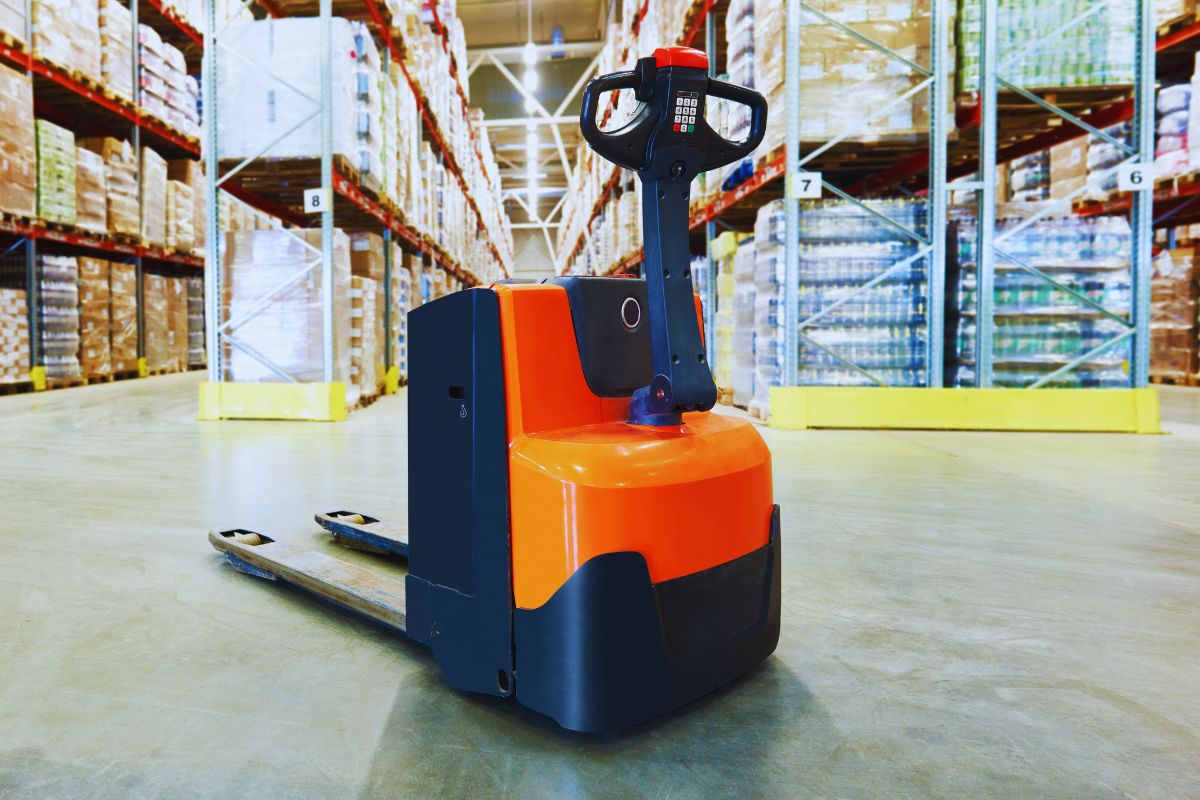
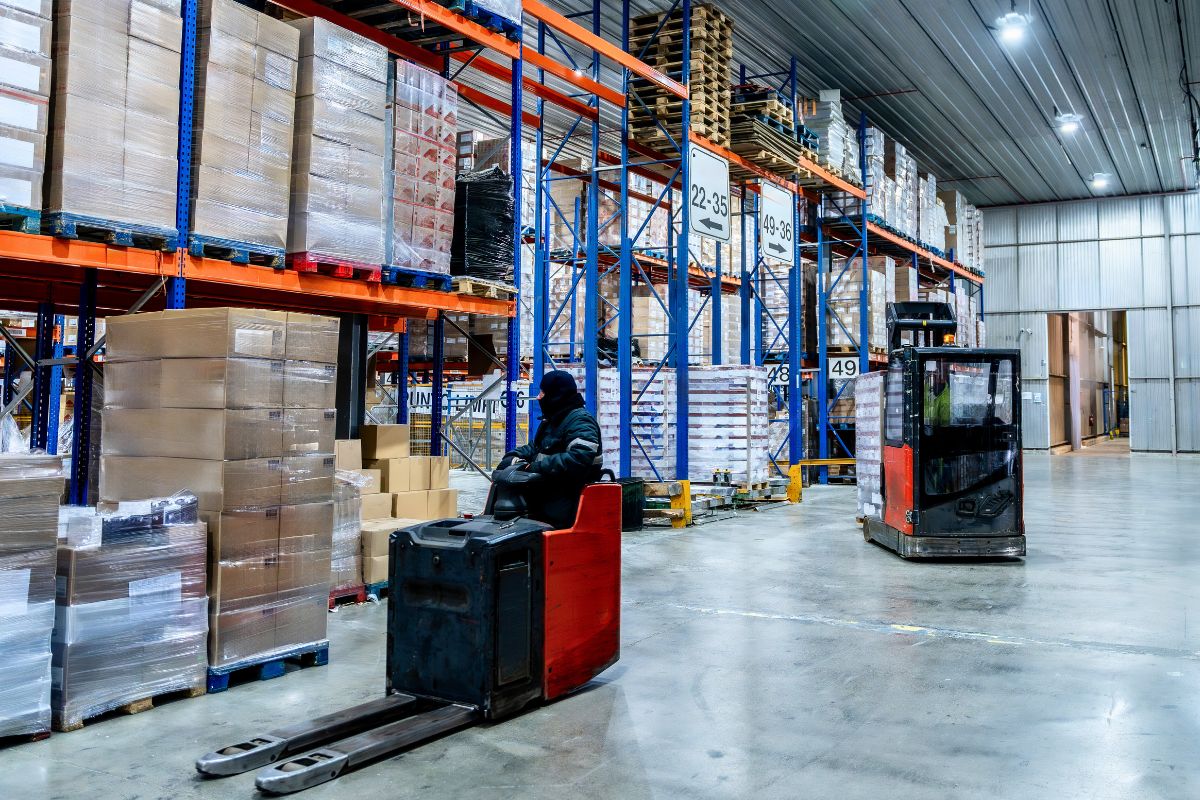
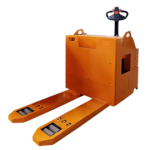
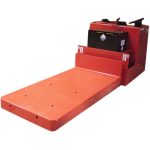
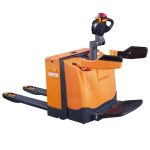
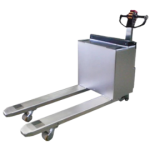
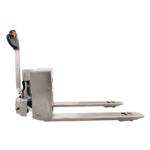
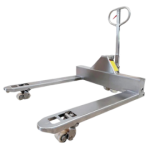
While specialized roll handlers are crucial, they are part of a larger ecosystem of material handling solutions. For moving palletized rolls or other heavy goods around your facility, a reliable powered pallet truck is an indispensable tool.
At PoweredPalletTrucks.com, we provide a wide range of electric pallet trucks designed for safety, efficiency, and durability. Whether you are unloading shipments of raw materials or moving finished products, our equipment helps streamline your operations. Integrating a high-quality powered pallet truck alongside your roll handling equipment can create a seamless, end-to-end material flow, further boosting your warehouse’s productivity and safety.
Best Practices for Safe Operation
Once you have your new roll handling equipment, proper use is key to reaping the benefits.
- Provide Thorough Training: Ensure every operator is fully trained on the specific equipment they will be using. This includes understanding weight limits, proper operating procedures, and safety features.
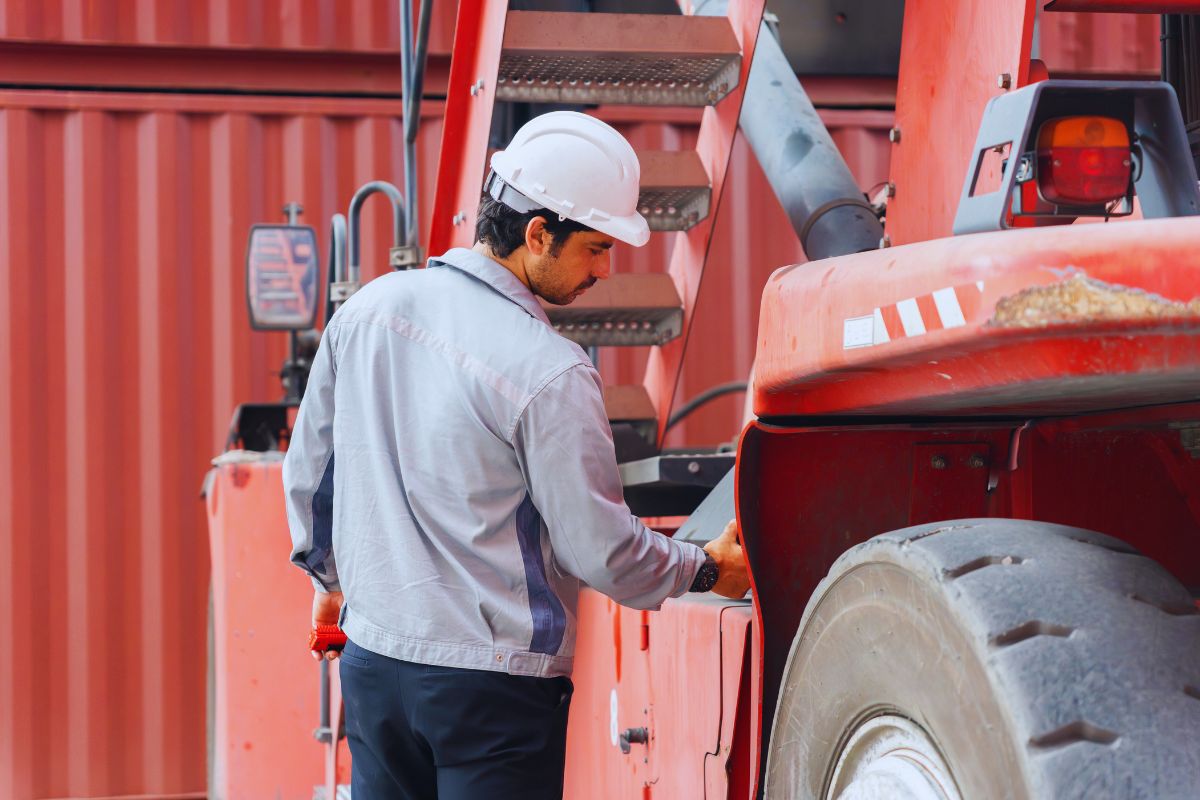
- Conduct Regular Inspections: Before each use, operators should perform a quick visual inspection to check for any signs of wear or damage. Schedule regular, in-depth maintenance to keep the equipment in top condition.
- Keep the Workspace Clear: Maintain clear pathways and an organized workspace. Obstacles can create serious hazards when moving heavy loads.
Choosing the right roll handling equipment is a critical decision that directly impacts your facility’s safety and efficiency. By carefully assessing your needs and understanding the available options, you can find a solution that protects your employees, preserves your products, and improves your entire operation.
Looking for reliable pallet trucks or forklifts?
Superlift offers top-quality materials handling equipment built to keep your operations moving. Explore our full range today and find the right solution for your business.

About The Author
Meet Rei Bayucca, a content specialist at Superlift, bringing clarity to complex topics in materials handling. From pallet trucks to forklifts, Rei’s insights help businesses move smarter.