Forklift Classifications: Which Best Boosts Your Warehouse?

Published January 22, 2026
Let’s be real, if you’ve spent any time working around warehouses as we have at Powered Pallet Trucks, you know forklifts are the backbone of getting things done.
But not all forklifts are the same, and using the wrong one is a sure way to chew up time, mess up product, and put a dent in your safety record. That’s why knowing your forklift classifications is more than just busywork; it’s how you keep your operation running smoothly and your people safe.
Whether you’re the old hand everyone turns to, or this is your first season loading a dock, trust me: figuring out which class fits your floor pays off. So, let’s walk through the seven forklift classes, straight from OSHA and the ITA, with a healthy dose of know-how from someone who’s seen it all.
Why Knowing Forklift Classes is a Game-Changer
I get it, sometimes it seems like just another rule to slow you down. But each class exists for a simple reason: the right truck for the right job can save your back, your budget, and maybe even your warehouse.
- Safety Training: You have to be certified on the type you’re driving. It’s not just red tape; different trucks handle things way differently.
- Fuel Type: Some are gas, some electric. Trust me, you don’t want fumes indoors, and you don’t want to run out of battery halfway across the lot.
- Application: From polished concrete to bumpy yards, some trucks love it, some don’t.
Pick wrong, and you’ll know fast, broken pallets, frustrated workers, and bosses breathing down your neck. Pick right, and you’ll wonder how you worked any other way.
Class I: Electric Motor Rider Trucks
You’ve seen these beauties cruising inside cold storage, food warehouses, or anywhere clean air matters. Quiet, powerful, and, let’s be honest, a dream to drive if you hate exhaust.
- Runs on: Big ol’ electric batteries (lead-acid or modern lithium, both are workhorses)
- Tires: Mostly cushion-type for smooth floors, but some have pneumatics
- Operator: Sit or stand, but either way, you’re along for the ride
Best for: Anywhere you don’t want fumes, but you need some serious lifting muscle, think food storage or busy indoor operations. The battery gives them heft, so they stay planted when you’re handling heavy stuff.
Class II: Electric Motor Narrow Aisle Trucks
Ever wish you had a forklift that could snake through the tightest spot on the floor? These are your go-to. If your storage feels more like a puzzle than a warehouse, this is your answer.
Types you’ll actually see:
- Reach trucks: Those forks can stretch out.
- Order pickers: Raise you right up for cherry-picking items high up.
- Turret trucks: Swivel those forks sideways, pretty slick.
Best for: Warehouses packed tighter than a lunch pail. If you’re chasing efficiency per square foot, Class II is your pal.
Class III: Electric Motor Hand Trucks or Hand/Rider Trucks
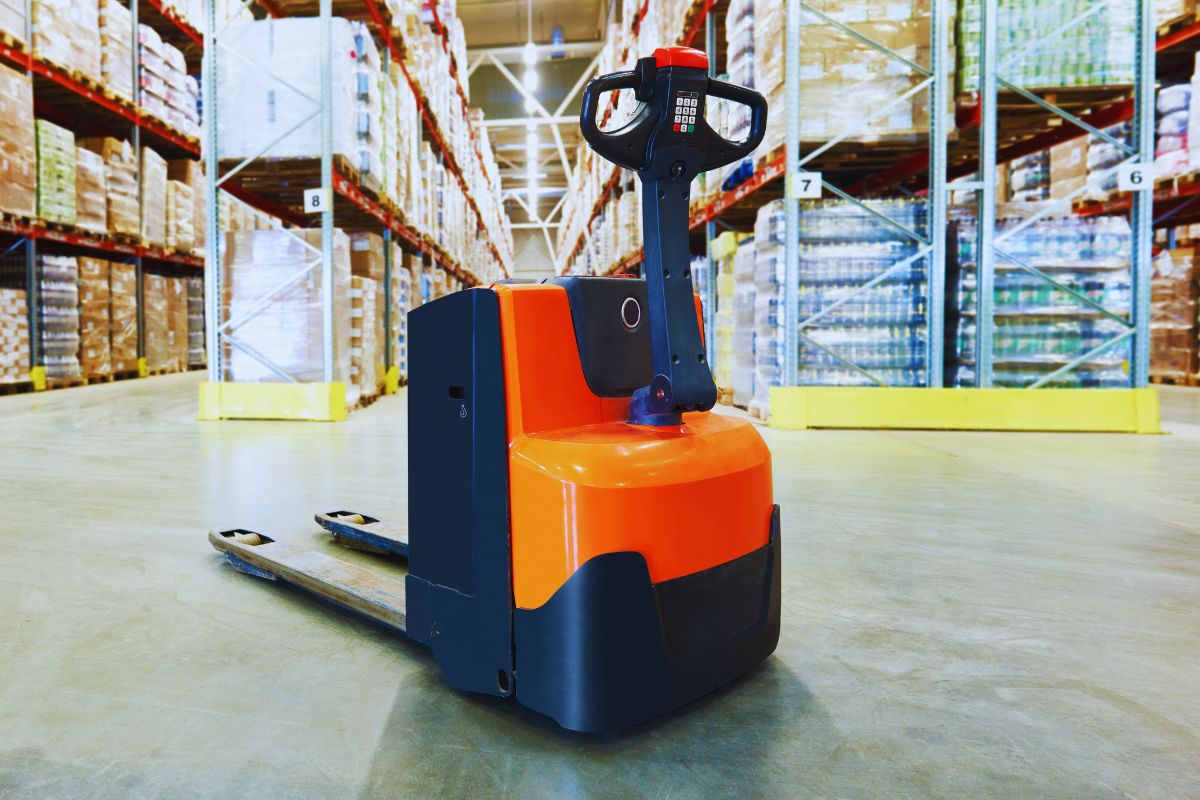
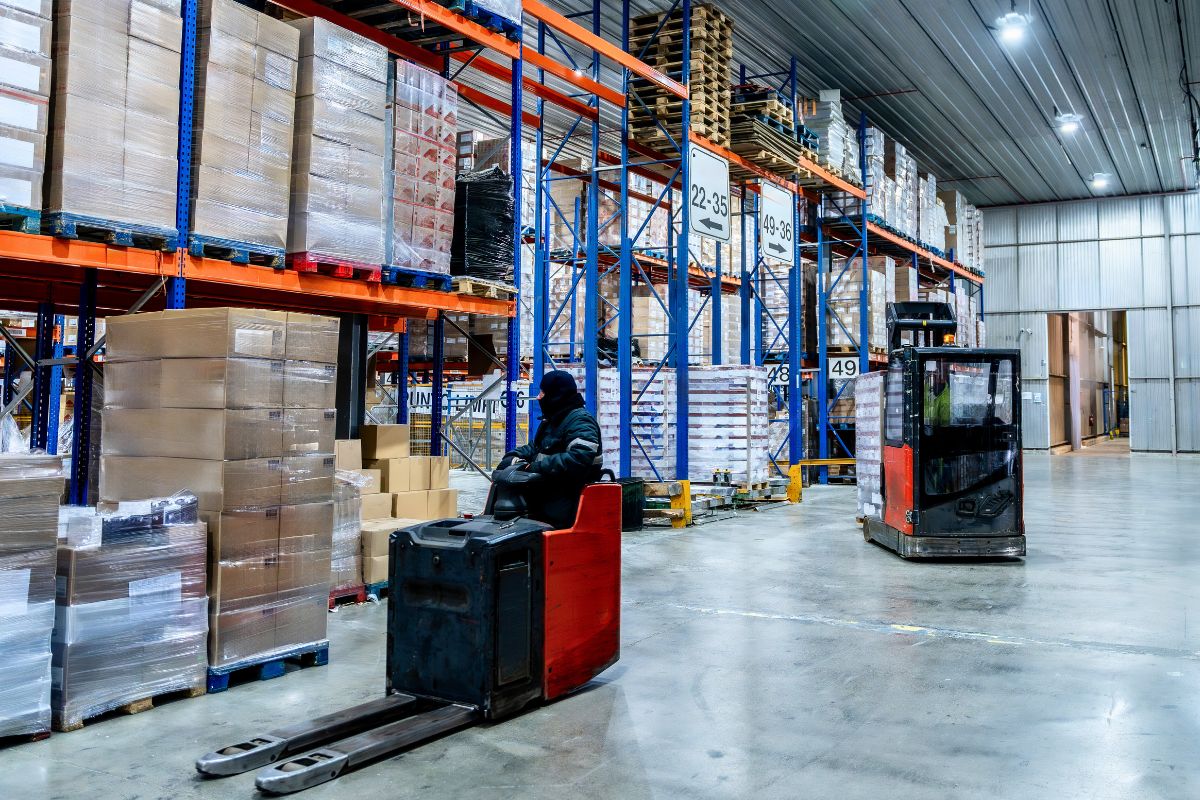
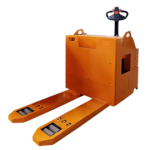
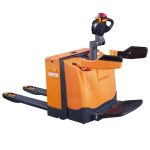
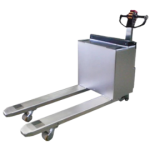
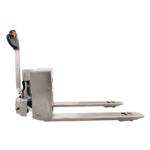
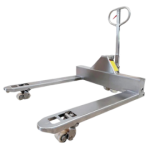
Alright, now we’re really in my backyard at Powered Pallet Trucks. These are the walkies and ride-on pallet jacks, the ones you see zipping around loading docks and in the back of supermarkets.
- Operation: Walk behind or hop on.
- Control: Tiller handle. Simple, reliable, gets the job done.
Best for: Shuffling pallets across the floor, loading trailers, and restocking fast. Maybe they don’t stack towers, but when it comes to moving product fast, they’re the real MVPs.
Class IV: Internal Combustion Engine Trucks (Cushion Tires)
Stepping up into the gas-powered world, Class IVs are your tough-as-nails, low-clearance forklifts. Propane’s most common, but you’ll spot diesel or gas sometimes too. The cushion tires are made for flat, dry indoor spots.
- Low ride height: Tight clearances, smooth-paved floors.
- Lots of power: But don’t take them outdoors, they’ll bounce you right out of your seat.
Best for: Indoor factories, loading bays. If your floor is smooth and you need grunt, this is the one I’d pull.
Class V: Internal Combustion Engine Trucks (Pneumatic Tires)
These are workhorses for places where your floor isn’t exactly smooth as glass. Pneumatic tires are like big ol’ work boots, happy inside or out.
- Good for: Gravel, asphalt, the yard.
- Flexibility: Can run them outdoors, but if you’re inside, keep the doors open and fans running.
Best for: Lumberyards, construction supply, anywhere your floor gives you more surprises than you want.
Class VI: Electric and Internal Combustion Engine Tractors
Not every “forklift” even has a set of forks. Class VI are your tow tractors, think airport luggage, or any operation that’s more about pulling a train of carts than lifting boxes.
- Power: Either electric or gas/diesel, depends on what you’re towing and where.
- No forks: Just a mighty hitch.
Best for: Assembly lines, big plants, places where stuff needs to be hauled rather than stacked.
Class VII: Rough Terrain Forklift Trucks
Now, for the true heavy hitters. Class VII forklifts are for jobs where the ground’s so rough regular forklifts cry for mercy. Giant tires, heavy axles, and ground clearance for days.
- Types: Vertical mast (looks like a massive warehouse truck), telehandlers (those telescopic booms for serious reach).
- Not afraid of mud: Or rocks, or whatever your jobsite throws at them.
Best for: Construction, lumber yards, outdoor jobs, the tough spots where only a tank (well, almost) will do.
The Powered Pallet Trucks Advantage
Now, you know what sets each class apart. If you’re looking for reliable gear and advice from folks who have lived and breathed material handling, Powered Pallet Trucks is your shop. We’ve spent years in all kinds of warehouses, and we make sure you get equipment that cuts downtime, saves money, and keeps your crew happy.
Class III trucks, electric walkies, pallet movers, stackers, are truly our bread and butter, but we understand the whole game. Whether you need a quick replacement or you’re planning for long-term growth, we’ll help you find the best fit for your workflow. No hard sells, just honest talk and hard-earned expertise.
Tips for Picking Your Perfect Forklift Class
Here’s the checklist I run through with every customer:
- Where’s it running? Indoors, outdoors, or a bit of both?
- What’s under the wheels? Concrete, gravel, mud?
- What are you moving? Need to stack higher, or just shift pallets from point A to B?
Get those three dialed in, and you’re 90% there. Still not sure? No shame in asking, sometimes two heads are better than one, and we’re happy to take a walk through your place and recommend what’ll keep your operation humming.
Looking for reliable pallet trucks or forklifts?
Superlift offers top-quality materials handling equipment built to keep your operations moving. Explore our full range today and find the right solution for your business.

About The Author
Meet Rei Bayucca, a content specialist at Superlift, bringing clarity to complex topics in materials handling. From pallet trucks to forklifts, Rei’s insights help businesses move smarter.