Forklift Tow Truck vs. Standard Towing Equipment: Which Is Right for Your Business?
Published February 11, 2026
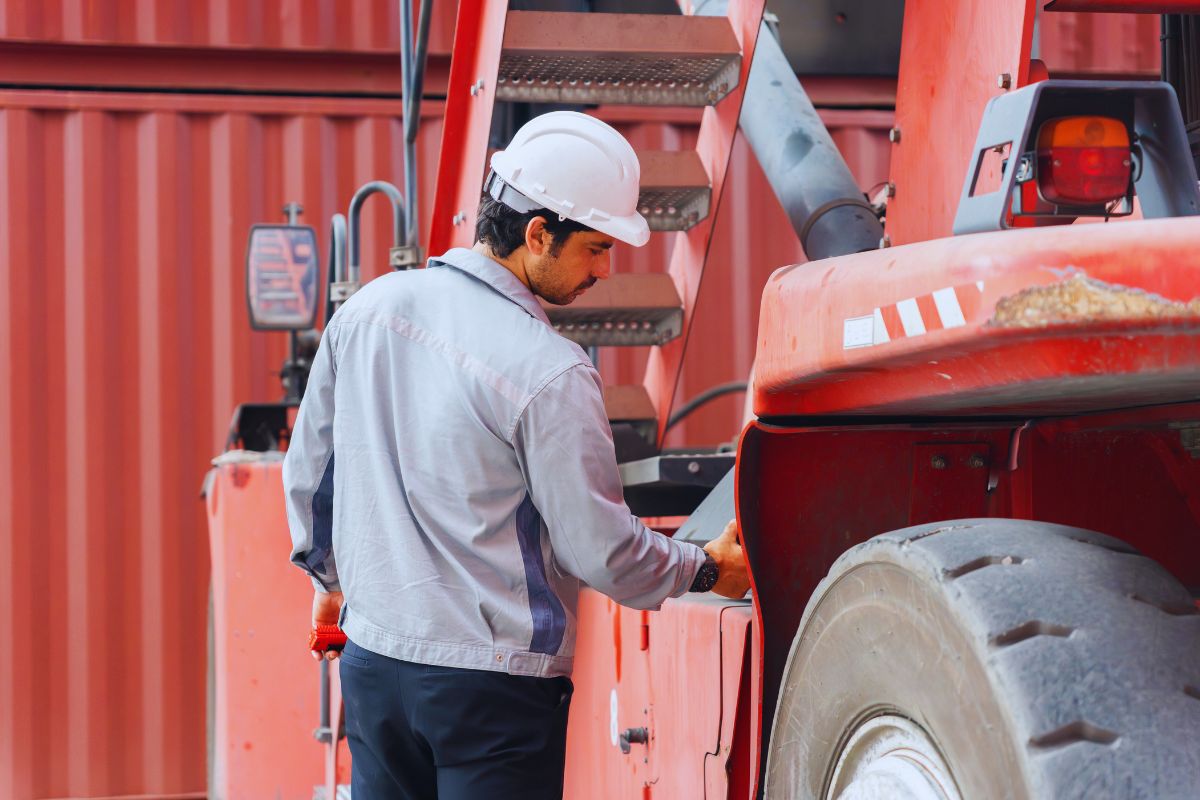
We’ve all been there, standing on the warehouse floor, staring at a massive piece of machinery or a pallet of goods that needs to move now, but the usual equipment is tied up or broken down. You look over at the trusty forklift sitting idle in the corner. Can it do the job? Should it?
In the material handling world, the debate between using a “forklift tow truck” setup versus investing in dedicated standard towing equipment is a common one. Both have their place, but choosing the wrong one can lead to safety risks, damaged goods, or just inefficient workflows.
As someone who lives and breathes material handling here at Powered Pallet Trucks, I want to walk you through this decision. Let’s break down the pros, cons, and safety considerations so you can make the right call for your team.
The “Forklift Tow Truck”: What Is It?
When we talk about a “forklift tow truck,” we are usually referring to one of two things:
- Electric Tow Tractors: Specialized vehicles often grouped with forklifts but designed specifically for horizontal pulling.
- Modified Forklifts: Standard forklifts equipped with specialized attachments (like tow balls or pintle hooks) to allow them to pull trailers or carts.
For the sake of this comparison, we will focus heavily on the idea of adapting your existing fleet for towing versus buying purpose-built machines, as that is where most businesses get stuck.
The Appeal of the Forklift Solution
The biggest reason businesses turn their forklift into a makeshift tow truck is simple: Versatility.
If you already have a forklift fleet, adding a towing attachment seems like a no-brainer. It saves you from buying a separate vehicle that might only be used 20% of the time. Forklifts are also incredibly maneuverable. They have tight turning radii, making them great for navigating narrow aisles that a standard pickup truck or large tractor couldn’t dream of fitting into.
Standard Towing Equipment
Standard towing equipment in an industrial setting usually refers to electric tuggers, tow tractors, or burden carriers. Unlike a forklift, which is engineered to lift vertical loads, these machines are engineered to pull horizontal loads.
Why Design Matters
Think about the physics for a second. A forklift is essentially a teeter-totter. It relies on a heavy counterweight in the back to balance the load on the forks in the front.
When you use a forklift to tow something heavy, you are introducing a completely new force, horizontal drag. This changes the dynamics of how the machine handles. Standard towing equipment, however, is designed with:
- Optimal braking systems for stopping heavy rolling loads.
- Lower centers of gravity to prevent tipping while turning.
- Ergonomic hitches that are easy for operators to connect and disconnect safely.
A Side-by-Side Look
Let’s look at how these two solutions stack up in the areas that matter most to your bottom line.
1. Cost and ROI
- Forklift Tow Truck: The upfront cost is low if you already own the forklift. You are just buying an attachment. However, maintenance costs can spike. Towing puts strain on the transmission and brakes of a forklift in ways the manufacturer may not have intended.
- Standard Equipment: Higher initial investment. You are buying a new machine. However, because it is built for the task, maintenance is generally predictable, and the lifespan of the unit is long.
2. Safety Profile
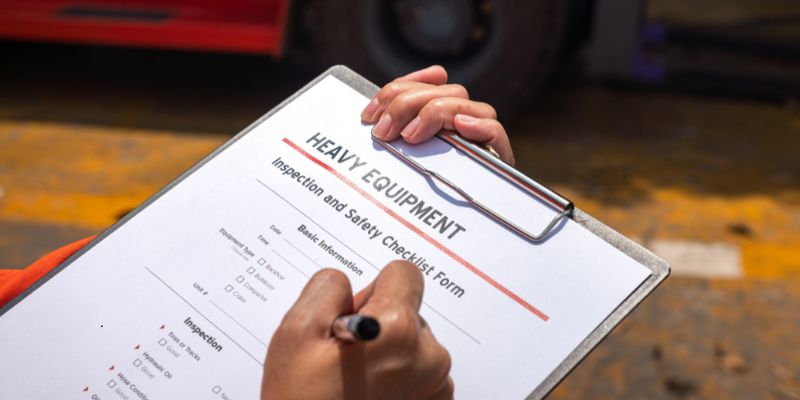
- Forklift Tow Truck: This is the biggest risk area. Towing can impact a forklift’s stability triangle. If an operator turns too sharply while towing a heavy load, the risk of a jackknife or tip-over increases significantly. Additionally, rear visibility on a forklift is often poor compared to a tugger.
- Standard Equipment: Winner in safety. These units offer better visibility and stability. They are “idiot-proofed” for towing tasks, reducing the likelihood of operator error.
3. Efficiency and Speed
- Forklift Tow Truck: Great for “spot” moves, moving a trailer 50 feet to a dock. Not great for long-distance transport across a large facility (often called “milk runs”).
- Standard Equipment: Designed for the long haul. If you are moving materials from one end of a 500,000 sq. ft. facility to another, a tow tractor is faster and safer.
When to Use Which?
So, which one wins? It depends on your daily operations.
Stick with a Forklift Tow Attachment if:
- Towing is an occasional task (less than 10% of the shift).
- Space is extremely tight, and you need the zero-radius turning capability.
- You are moving relatively light loads over short distances.
- Budget is your primary constraint right now.
Invest in Standard Towing Equipment if:
- You have dedicated “trains” of carts moving materials constantly.
- You are transporting goods over long distances (e.g., between buildings).
- Safety incidents regarding visibility or braking are a concern.
- You want to preserve the lifespan of your expensive forklifts by not overworking their transmissions.
Why Quality Equipment is Non-Negotiable
Whether you decide to outfit your current forklift with a high-quality tow attachment or invest in a dedicated electric tugger, the quality of the machinery matters. Cheap attachments can fail under load, and unreliable tuggers can halt your production line.
This is where we come in.
A Partner You Can Trust: Powered Pallet Trucks
At Powered Pallet Trucks, we understand that “downtime” is a dirty word. We specialize in high-quality material handling solutions that keep your business moving.
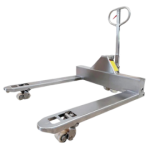
Whether you need a robust electric pallet jack to stage loads for your towing train, or you’re looking for advice on the best ergonomic lifting equipment to complement your fleet, we have the expertise to guide you. We don’t just sell equipment; we help you build a workflow that is safe, efficient, and profitable.
We carefully select our inventory to ensure it meets the rigorous demands of modern American warehouses. When you buy from us, you aren’t just getting a tool; you’re getting a partner in your operational success.
Final Thoughts
The “forklift tow truck” isn’t a myth, nor is it a magic bullet. It is a tool. In the hands of a trained operator, with the right attachment and for the right task, it can be a lifesaver. But don’t let short-term convenience blind you to long-term efficiency.
If your business is growing and horizontal transport is becoming a bottleneck, it might be time to graduate from the forklift modification to a dedicated towing solution.
Analyze your workflow. Count how many times a day you need to tow something. If the number is high, give your forklift a break and let it do what it does best: lift.
Looking for reliable pallet trucks or forklifts?
Superlift offers top-quality materials handling equipment built to keep your operations moving. Explore our full range today and find the right solution for your business.

About The Author
Meet Rei Bayucca, a content specialist at Superlift, bringing clarity to complex topics in materials handling. From pallet trucks to forklifts, Rei’s insights help businesses move smarter.