Top 5 Material Handling Equipment Trends to Watch in 2025

Published August 7, 2025
Material handling equipment is changing fast in 2025. New technology and rising expectations are pushing companies to improve their warehouses and supply chains. To keep up and grow, it’s important to understand the latest trends shaping the industry.
Here are five key trends that are changing how businesses handle inventory, boost efficiency, and keep their workers safe. Let’s dive into each one and see how you can use these changes to your advantage.
1. Automation and Robotics Take Over
Automation is changing material handling by making it faster and more accurate. Autonomous mobile robots (AMRs) are leading the way. Unlike older guided vehicles, AMRs use smart navigation to move through warehouses without requiring expensive changes to the building.
Why it matters:
Robots can handle repetitive tasks, move inventory, and help fill worker shortages. As the technology improves, robots are also getting cheaper and easier to use—even for smaller businesses.
Examples:
- Smart picking and packing: Automated systems can find, move, and pack goods faster than people.
- Collaborative robots (“cobots”): These robots help people with tough or boring jobs, so workers can focus on more important tasks.
How to get started:
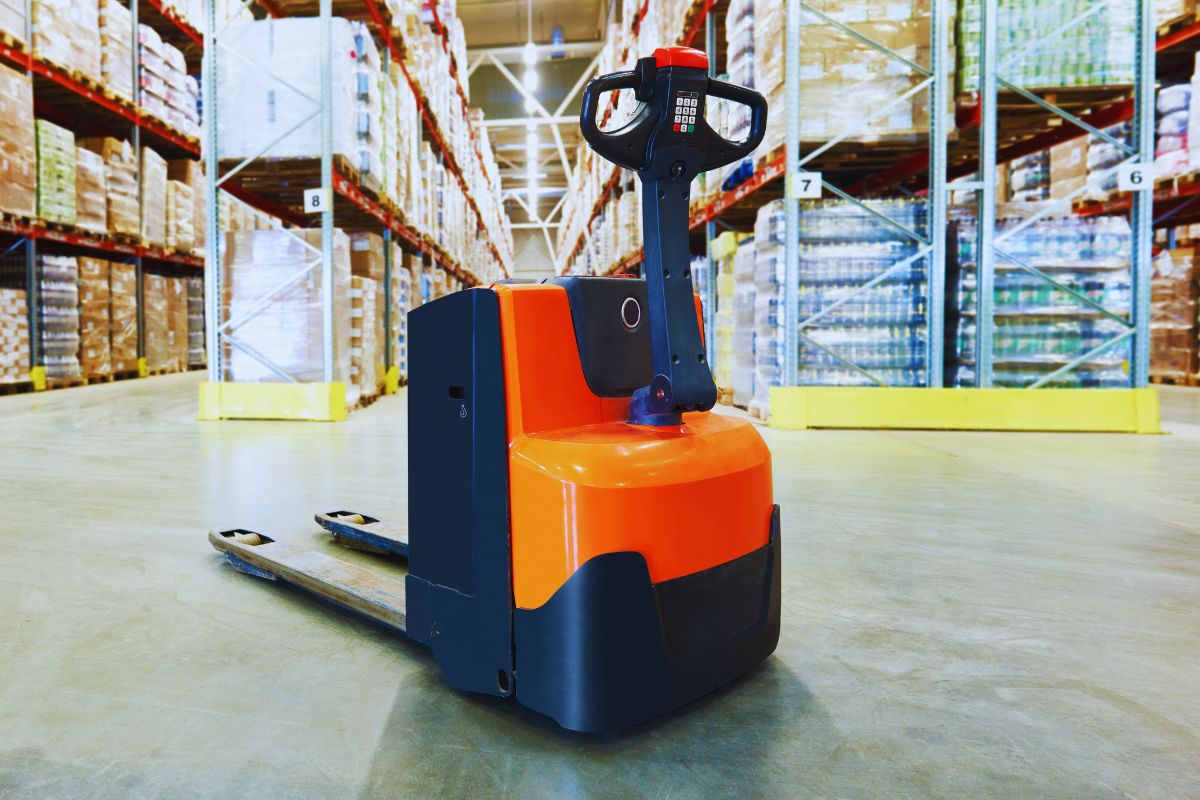
Try automating small parts of your operations first, like robotic pallet movers or self-driving forklifts. Integrate them with your current warehouse software.
2. Eco-Friendly Equipment on the Rise
Going green is no longer optional. More companies are buying eco-friendly equipment to meet environmental standards. This equipment includes electric forklifts, hydrogen-powered machines, and gear made from recycled materials.
Why it matters:
Eco-friendly choices can save money by using less energy and fewer non-renewable resources. They also appeal to customers and partners who care about the environment.
Examples:
- Electric forklifts: These are quiet, clean, and much more energy efficient than older models. Better batteries mean they last longer, too.
- Hydrogen-powered forklifts: They refuel quickly and don’t produce emissions, which is great for busy workplaces.
How to get started:
When replacing old equipment, look for models that run on renewable energy or last longer. Check out any grants or rewards for going green in your area.
3. Smarter Warehouse Automation
Warehouse automation is getting smarter thanks to artificial intelligence (AI) and machine learning. These systems can now help with tasks like sorting inventory, picking orders, and tracking equipment.
Key technologies:
- Pick-to-light systems: Lights show workers where items are, cutting down on mistakes and saving time.
- Digital twins: Virtual versions of your warehouse let you test and improve processes before making real changes.
Why it matters:
Smarter automation helps businesses keep up with online orders and customer demands.
How to get started:
Look for places where errors or slow steps happen in your current system and choose automation tools that solve those specific issues.
4. Focus on Ergonomics and Safety
People are still vital in warehouses. Making work environments safer and more comfortable is a big trend. Equipment is being designed to reduce injuries and make jobs less physically demanding.
Key improvements:
- Workstations that adjust for different heights to help prevent strain.
- Exoskeleton suits help workers lift heavy objects safely.
- Forklifts with advanced sensors to avoid accidents.
Why it matters:
Safer workplaces mean lower injury rates, fewer missed days, better morale, and higher productivity.
How to get started:
Ask your team what parts of their job are most uncomfortable or dangerous, then upgrade equipment and provide training on how to use it safely.
5. Modular and Flexible Systems
Market demand changes quickly, so companies need equipment that can change with it. Modular systems let you add, remove, or rearrange parts as needed.
Why it matters:
Modular equipment grows with your business. You can expand during busy seasons and scale back when things slow down, making it more cost-effective.
Examples:
- Conveyor belts you can rearrange to match new workflows.
- Storage racks that stack or move as layouts change.
How to get started:
When buying new equipment, look for “plug-and-play” designs. These let you make changes quickly without stopping work.
Superlift – Your Industry Partner
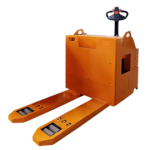
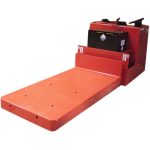
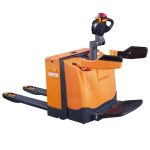
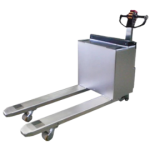
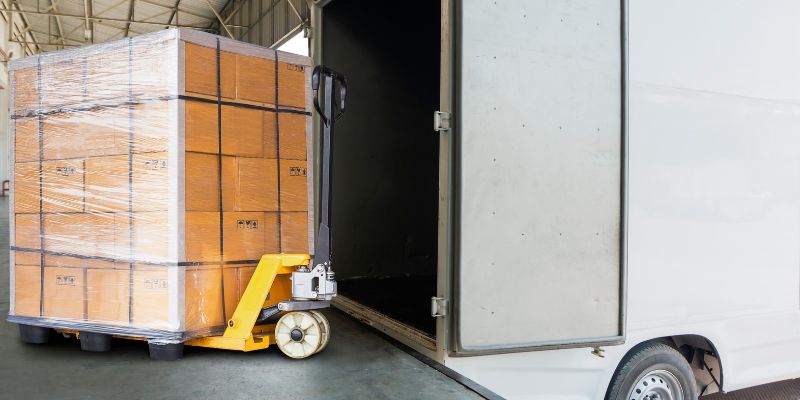
It’s smart to work with experts as you adopt these trends.Superlift has solutions for high-performance pallet trucks and other material handling gear. Their wide selection includes eco-friendly, ergonomic, and modular designs to keep your business ahead in 2025.
Explore their website to find equipment that fits your needs and supports your goals for efficiency and sustainability.
Getting Ready for 2025 and Beyond
Material handling is changing. Trends like automation, sustainability, smarter systems, worker safety, and flexibility can help you cut costs and beat the competition.
Start small, focus on solving your biggest challenges, and choose equipment that can grow with you. And remember—working with the right partner, like PoweredPalletTrucks.com, can help you make smart choices and get the best results.
Stay prepared and take action now to keep your material handling operations successful in 2025!
Looking for reliable pallet trucks or forklifts?
Superlift offers top-quality materials handling equipment built to keep your operations moving. Explore our full range today and find the right solution for your business.

About The Author
Meet Rei Bayucca, a content specialist at Superlift, bringing clarity to complex topics in materials handling. From pallet trucks to forklifts, Rei’s insights help businesses move smarter.