Push or Pull a Pallet Jack? Avoid These Common Mistakes

Published August 29, 2025
Moving heavy loads doesn’t have to be a back-breaking ordeal. Yet thousands of warehouse workers suffer injuries each year simply because they handle pallet jacks incorrectly. Whether you’re new to material handling or a seasoned pro, understanding when to push or pull a pallet jack can save you from serious injury and boost your efficiency.
The wrong technique can lead to strained backs, crushed feet, or worse. But with the right approach, you’ll move loads safely while preserving your body for years to come.
The Push vs. Pull Debate: What Really Works?
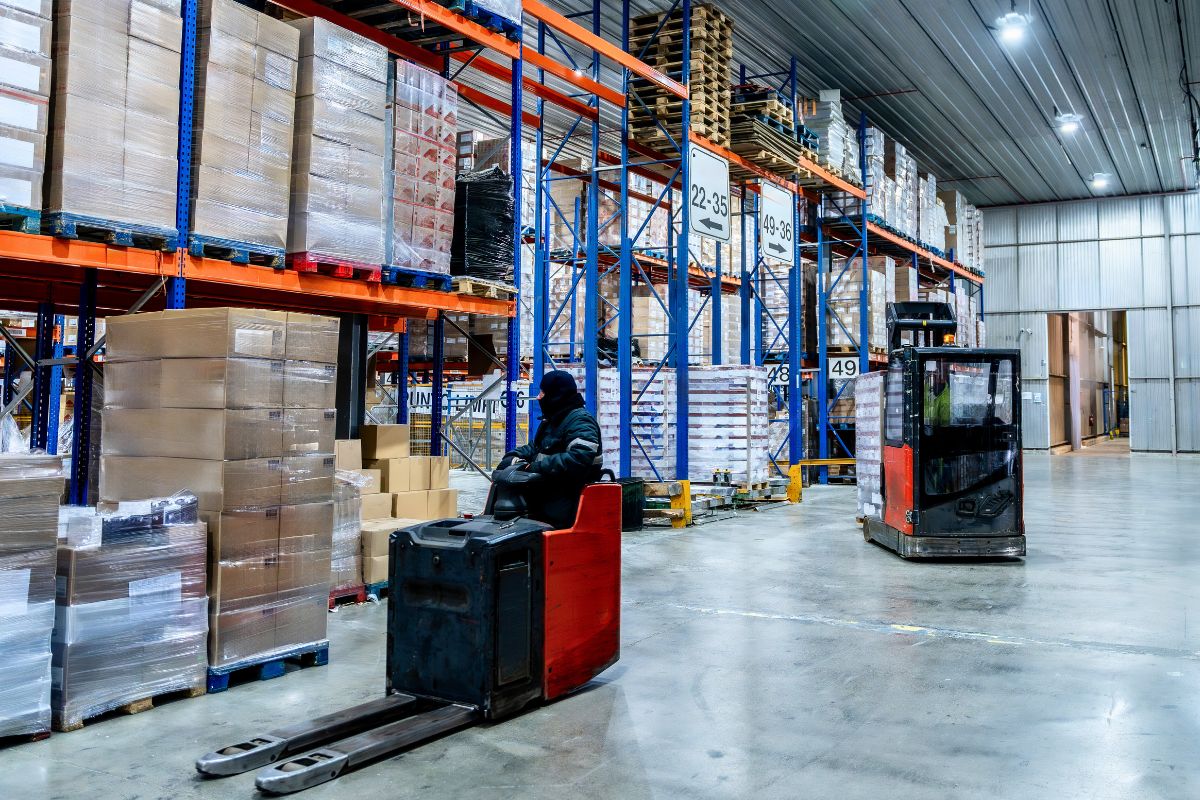
Most safety experts agree: pushing is usually safer than pulling. When you push a loaded pallet jack, you engage your powerful leg muscles and maintain better control over the load. Your back stays straighter, and you can see exactly where you’re heading.
Pulling forces you to twist your spine and rely on smaller back muscles that weren’t designed for heavy lifting. It’s like the difference between pushing a car versus pulling it with a rope; one gives you leverage and control, the other sets you up for strain.
But here’s where it gets tricky: the “always push” rule isn’t absolute. Smart operators know when to break this rule based on the situation.
When Pushing Makes Perfect Sense
On level surfaces with moderate loads, pushing wins every time. You’ll find it easier to:
- Start the pallet jack moving from a dead stop
- Navigate tight corners and narrow aisles
- Maintain steady speed and direction
- Stop quickly when needed
Your legs provide the power while your core muscles stabilize your body. These natural body mechanics reduce fatigue and injury risk.
The Exception: Going Downhill
Here’s where experienced operators know to flip the script. When moving down ramps or inclines, you should always pull the pallet jack while walking backwards. This positioning lets you use your body weight as a brake system.
If you push down a ramp, the loaded pallet jack can quickly gain momentum and become impossible to control. That 5,000-pound load turns into a runaway freight train, and you’re not equipped to stop it.
The Most Dangerous Mistakes You’re Probably Making
Mistake #1: Ignoring the One-Inch Rule
Many operators raise their pallets way too high off the ground. The sweet spot? Just one inch of clearance. This keeps the load’s center of gravity low and prevents dangerous swaying.
Higher lifts make pallet jacks harder to control and more likely to tip over. Save the extra height for clearing obstacles, then lower it right back down.
Mistake #2: Overloading Beyond Capacity
That weight rating on your pallet jack isn’t a suggestion; it’s a hard limit. Exceeding it can cause:
- Hydraulic system failures
- Wheel damage or blowouts
- Loss of steering control
- Structural frame cracks
Check your load weight and your jack’s capacity before lifting. When in doubt, make two trips or grab a higher-capacity unit.
Mistake #3: Racing Through Warehouses
Speed kills in material handling. A loaded pallet jack carries serious momentum that can crush fingers, toes, or worse. Maintain a walking pace that gives you time to react to obstacles or sudden stops.
Remember: you can’t stop 4,000 pounds on a dime, no matter how strong you are.
Mistake #4: Poor Foot Placement
Never position your feet under or beside a loaded pallet jack. Hydraulic failures happen, and dropped loads can cause permanent injury. Wear steel-toed safety shoes and stay clear of potential crush zones.
Mistake #5: Skipping Pre-Operation Inspections
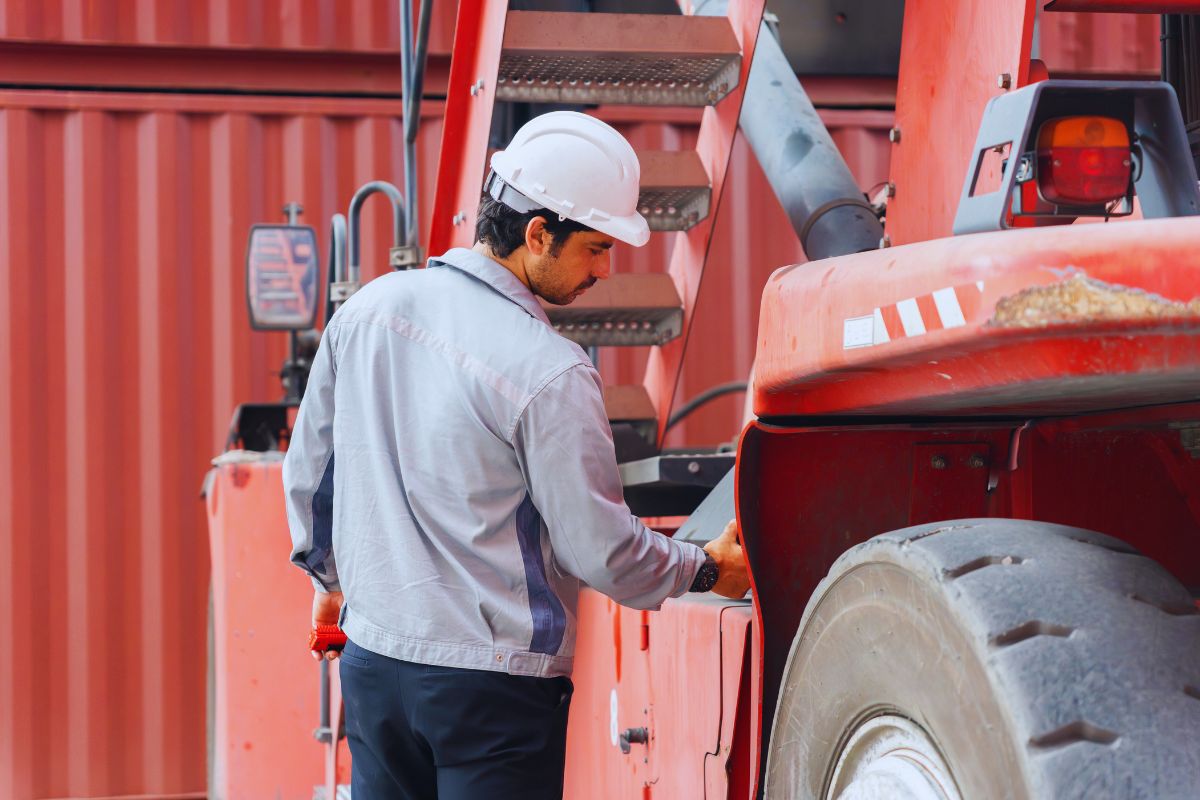
A quick visual check before each use can prevent accidents:
- Test the hydraulic lift mechanism
- Check wheels for damage or debris
- Ensure forks move freely without binding
- Look for hydraulic fluid leaks
Damaged equipment puts everyone at risk. Tag faulty jacks “out of service” immediately.
Body Mechanics That Protect Your Back
Your spine isn’t designed to handle the twisting and pulling motions that come with improper pallet jack use. Follow these ergonomic principles:
- Keep your head up and eyes forward. Looking down strains your neck and throws off your balance.
- Maintain a straight back. Bend at your knees and hips, not at your waist. Engage your core muscles to protect your spine.
- Use smooth, controlled movements. Jerky motions shock your musculoskeletal system and increase injury risk.
- Take breaks on long hauls. Even proper technique becomes dangerous when you’re fatigued.
Navigation and Route Planning
Smart operators think ahead. Before moving any load, scout your route for:
- Narrow passages that require precise maneuvering
- Floor defects like cracks, wet spots, or debris
- Intersections where other traffic might appear
- Overhead obstacles that could snag tall loads
Plan alternatives in case your primary path gets blocked. Getting stuck halfway through a move with a heavy load is both dangerous and inefficient.

When Manual Isn’t Enough: The Case for Powered Solutions
While proper technique can make manual pallet jacks safer, there’s no getting around their physical limitations. If your operation involves heavy loads, long distances, or frequent use, powered pallet jacks offer compelling advantages.
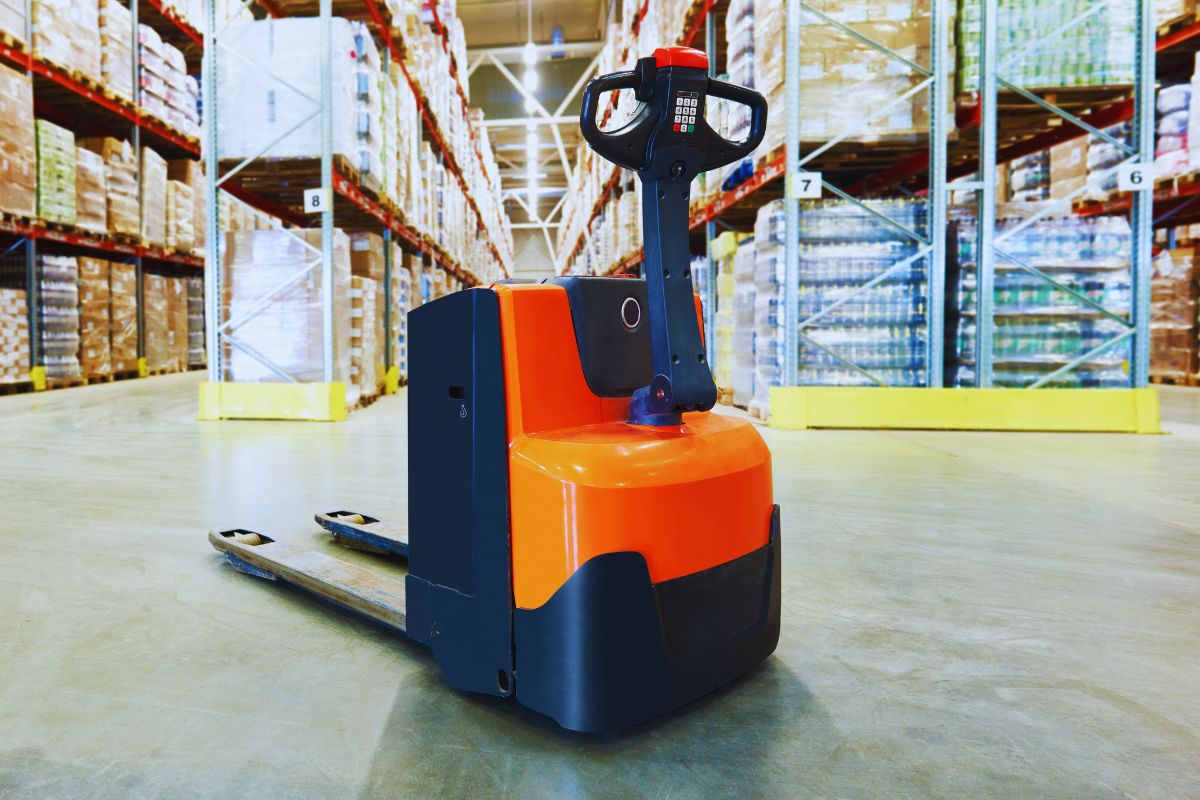
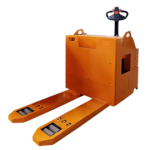
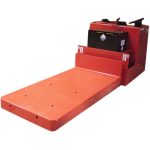
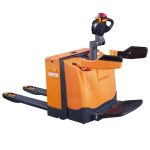
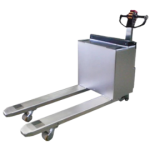
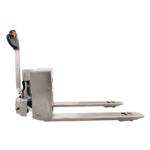
Electric pallet trucks eliminate the physical strain of manual operation entirely. Instead of using muscle power to move thousands of pounds, operators simply guide the equipment while motors do the heavy work.
Superlift specializes in high-quality electric pallet jacks that can transform your material handling operations. Their extensive inventory includes models designed for every application:
- Light-duty electric jacks for retail and smaller warehouse operations
- Heavy-duty units capable of handling loads up to 8,000 pounds
- All-terrain models for outdoor use and rough surfaces
- Compact designs perfect for tight spaces and congested areas
The safety benefits are immediate. Powered pallet trucks reduce back injuries, decrease operator fatigue, and improve productivity. Your team can move more loads in less time while staying safer.
Beyond safety, electric pallet jacks offer precision control that’s impossible with manual units. Variable speed controls let operators match their pace to the environment, while responsive braking systems provide confident stopping power even on inclines.
Load Management Best Practices
How you position and secure loads affects both safety and efficiency. Center your load evenly between the forks to prevent tipping. Insert forks completely into the pallet; partial insertion creates instability.
For tall loads that block your vision, work with a spotter or consider repositioning to pull the jack instead of pushing. Never compromise visibility for convenience.
Secure loose items before moving. A shifting load can throw off your balance and create dangerous conditions.
Emergency Procedures You Need to Know
Even with perfect technique, emergencies happen. Know how to respond:
- If the pallet jack starts to tip: Step back immediately and let it fall. Don’t try to catch or stop it; your safety is worth more than damaged goods.
- If you lose control on an incline: Release the handle and move to safety. Alert others in the area and establish a safety perimeter.
- If hydraulics fail mid-lift: Lower the load immediately if possible. If it won’t lower, clear the area and get maintenance help.
- If someone gets injured: Call for medical help first, then secure the scene to prevent additional accidents.
Making the Smart Choice for Your Operation
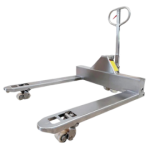
Manual pallet jacks will always have their place in material handling. They’re affordable, reliable, and perfect for light-duty applications. But knowing when to push or pull is just the beginning of safe operation.
For operations handling heavy loads regularly, powered solutions from Suoerlift offer a smarter path forward. Their electric pallet jacks eliminate the physical demands that cause injuries while boosting productivity and precision.
The choice between manual and powered equipment often comes down to volume, load weight, and frequency of use. But the choice between safe and unsafe techniques should never be a choice at all.
Master the fundamentals of pallet jack operation, respect the equipment’s limitations, and invest in solutions that protect your team. Your workers, and your bottom line, will thank you for it.
Remember: every load you move safely is a victory. Every injury you prevent keeps your team whole and your operation running smoothly. Take the time to do it right, and you’ll never regret choosing safety over speed.
Looking for reliable pallet trucks or forklifts?
Superlift offers top-quality materials handling equipment built to keep your operations moving. Explore our full range today and find the right solution for your business.

About The Author
Meet Rei Bayucca, a content specialist at Superlift, bringing clarity to complex topics in materials handling. From pallet trucks to forklifts, Rei’s insights help businesses move smarter.