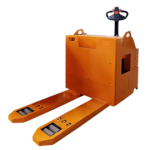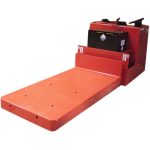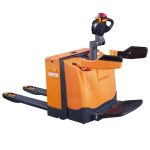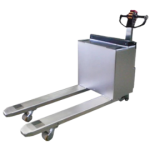
Pallet Truck Dimensions: Key Facts for Smart Shopping
Published September 19, 2025
Selecting the right pallet truck is more than just picking a tool. One of the first things you should think about is the size of the pallet truck. If you choose a truck that’s too large or too small for your needs, moving pallets can become frustrating, unsafe, and less efficient. Knowing the correct pallet truck dimensions for your workplace helps prevent these problems and keeps your operation running smoothly.
Understanding pallet truck sizes is your first step to a smarter purchase. This guide breaks down the basics and walks you through what matters most, from the popular standard sizes to the many specialized options out there.
Understanding Standard Pallet Truck Dimensions
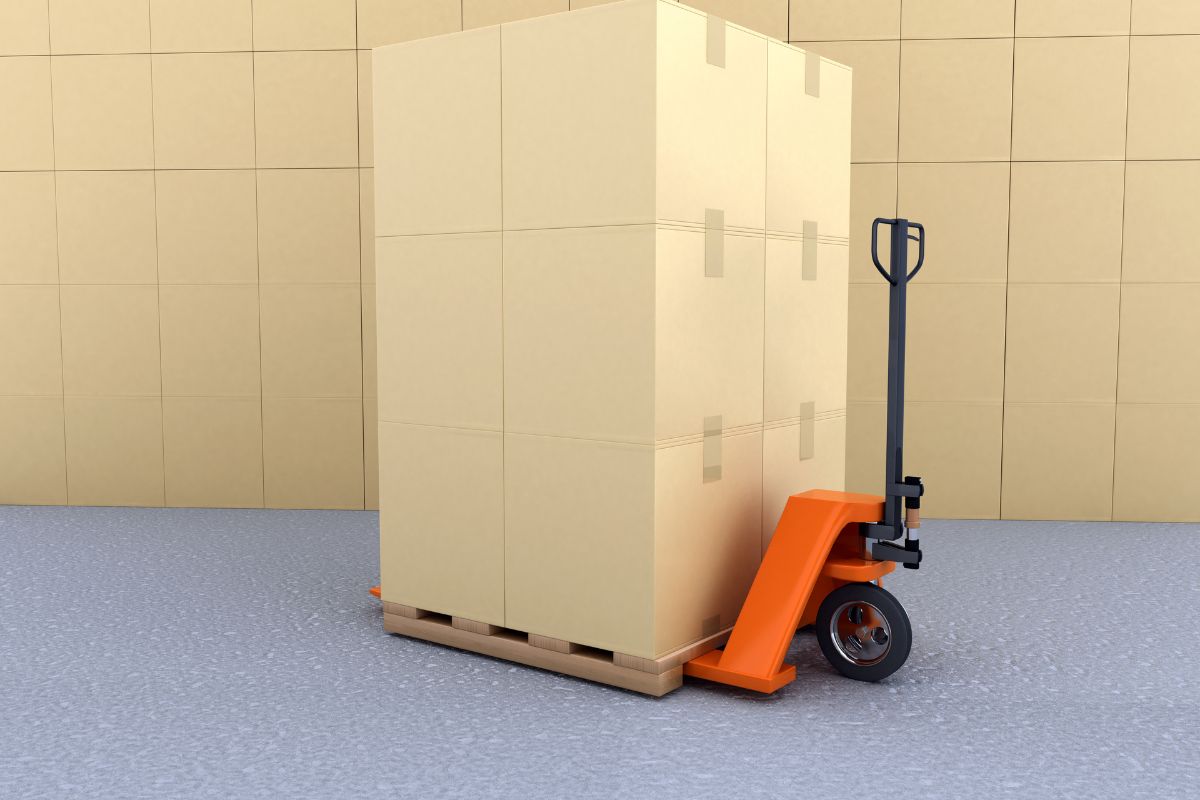
Most people use pallet trucks to move standard-sized pallets, especially the 48″ x 40″ pallet that is common in North America and elsewhere. Because of this, manufacturers make standard pallet trucks with dimensions that fit these pallets perfectly.
Fork Length
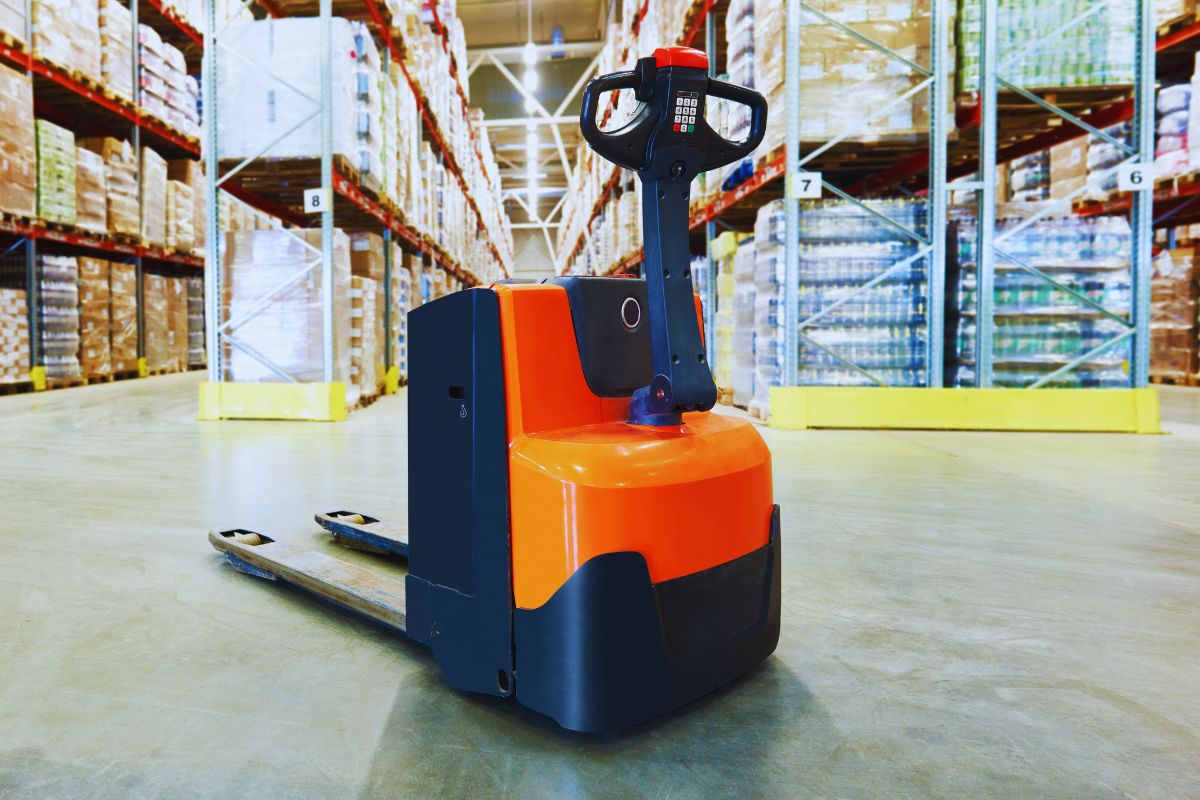
A typical standard pallet truck has forks that are 48 inches long. This length is ideal for fully supporting a standard pallet, which helps keep loads steady during lifting and moving. Shorter models, like those with 36-inch forks, are handy in tight areas, but the 48-inch length is most widely used.
Fork Width (Overall Spread)
The most common width across the forks for a standard pallet truck is 27 inches. This size lets the truck easily slide into the openings on a regular pallet. Some trucks have a narrower spread, like 20.5 inches, which is better for smaller pallets or European sizes.
Lowered and Raised Height
Two more important measurements are how low and how high the forks can go.
- Lowered Height: Most standard pallet trucks lower to about 3 inches off the floor. This makes it easy to get under a pallet.
- Raised Height: Lifting the handle raises the forks to somewhere between 7 and 8 inches, enough to clear the ground for transporting the load.
If you use standard pallets and work in a typical warehouse, a standard pallet truck with these dimensions should do the job well.
When You Need Something Different: Specialized Dimensions
What if your workspace is crowded, or your pallets are not standard sizes? In these cases, you’ll need a specialized pallet truck to handle these unique situations.
Narrow Pallet Trucks
Some environments are just too tight for standard pallet trucks. That’s where narrow models come in, they often have end-to-end fork widths of about 16 to 21 inches. These trucks are great for:
- Tight aisles: Easy movement in cramped warehouse lanes or small shop spaces.
- Specialty pallets: Handling half-pallets or unique display pallets.
- Delivery vehicles: Fits in trailers, box trucks, or anywhere space is limited.
Narrow trucks are ideal when the usual 27-inch width is just too wide.
Long Fork Pallet Trucks
Some jobs require moving larger or multiple pallets at once. Long fork pallet trucks, featuring forks ranging from 60 up to 96 inches or more, handle these tasks. They work well for:
- Oversized loads: Carrying long or bulky items.
- Moving two pallets at once: Useful in busy facilities for saving time.
Keep in mind, though, that the longer the forks, the larger the turning space you’ll need.
Other Variations to Know
Besides basic fork length and width, there are other changes to the design that matter for special uses:
- High-Lift Pallet Trucks: Lift loads far higher than standard trucks, often up to 31 inches. Sometimes used as a mobile work table.
- Low-Profile Pallet Trucks: Built to handle low-clearance pallets with forks that go as low as 1.5 inches.
- All-Terrain Pallet Trucks: Have bigger, tougher wheels to move loads across rough yards or construction sites, making them larger than typical models.
Picking the Best Pallet Truck Dimensions
To get the right pallet truck dimensions, focus on these three areas:
- Your Pallets: Measure the pallets you deal with most often. Make sure the forks are long enough for at least most of the pallet’s length and that the width allows easy entry.
- Your Workspace: Check for narrow aisles, tight turns, or special spaces like elevators or loading trucks. If your space is tight, consider smaller or more flexible options. Turning radius can be a major factor!
- Your Loads: The size, shape, and weight of what you’re moving matter. Beyond how much the truck can lift, the dimensions make sure loads stay balanced and safe while moving.
Why Trust Powered Pallet Trucks?
Shopping for material handling equipment can feel overwhelming. At Powered Pallet Trucks, we’re here to help you get it right, every time. Our team understands different industries and workspaces, and we’re ready to point you toward pallet trucks that fit your exact needs. We care about safety and productivity, and we stand behind the quality of our recommendations.
Ready to learn how we can help your business work smarter? Head over to our page and see what sets us apart.
Conclusion: Measure Twice, Buy Once
Don’t just go by gut feeling when picking pallet truck dimensions. The right size for your pallets, loads, and workflow leads to safer, easier, and more productive handling every day. Whether you want a standard, all-purpose truck or something designed for a very unique challenge, knowing what dimensions to look for means you’ll get the most out of your investment.
Looking for reliable pallet trucks or forklifts?
Superlift offers top-quality materials handling equipment built to keep your operations moving. Explore our full range today and find the right solution for your business.

About The Author
Meet Rei Bayucca, a content specialist at Superlift, bringing clarity to complex topics in materials handling. From pallet trucks to forklifts, Rei’s insights help businesses move smarter.