10 Forklift Maintenance Tips to Avoid Costly Repairs
Published January 20, 2026
Forklifts are the workhorses of any warehouse or industrial site. They lift, move, and organize heavy loads, making daily operations possible. But when a forklift goes down, everything can grind to a halt. Unplanned downtime not only disrupts productivity but also leads to expensive, emergency repairs. The secret to keeping your fleet running smoothly isn’t complicated; it’s consistent and proactive forklift maintenance.
Proper care extends the life of your equipment, ensures operator safety, and protects your bottom line. By turning simple checks into daily habits, you can catch small issues before they become major problems. This guide provides ten practical forklift maintenance tips to help you avoid costly repairs and keep your operations efficient.
Why Proactive Forklift Maintenance is a Must
Neglecting forklift maintenance is a gamble that rarely pays off. Minor issues like a slow hydraulic leak or a worn tire can quickly escalate, leading to significant mechanical failures. These failures not only result in expensive repair bills but also pose serious safety risks to your team. According to OSHA, a significant number of forklift-related accidents are linked to inadequate maintenance.
A regular forklift maintenance program offers several key benefits:
- Enhanced Safety: A well-maintained forklift is a safe forklift. Routine checks ensure that critical safety features like brakes, horns, and lights are always in working order.
- Reduced Downtime: Scheduled maintenance can be planned around your operational hours. This is far better than a surprise breakdown that stops work in the middle of a busy shift.
- Longer Equipment Lifespan: Just like any vehicle, consistent care extends the operational life of your forklift, maximizing your return on investment.
- Lower Repair Costs: Catching a small leak is much cheaper than replacing an entire hydraulic system. Preventive maintenance saves you money in the long run.
10 Essential Forklift Maintenance Tips
Integrating these practices into your daily and weekly routines will create a robust maintenance culture that pays dividends.
1. Conduct Daily Pre-Shift Inspections
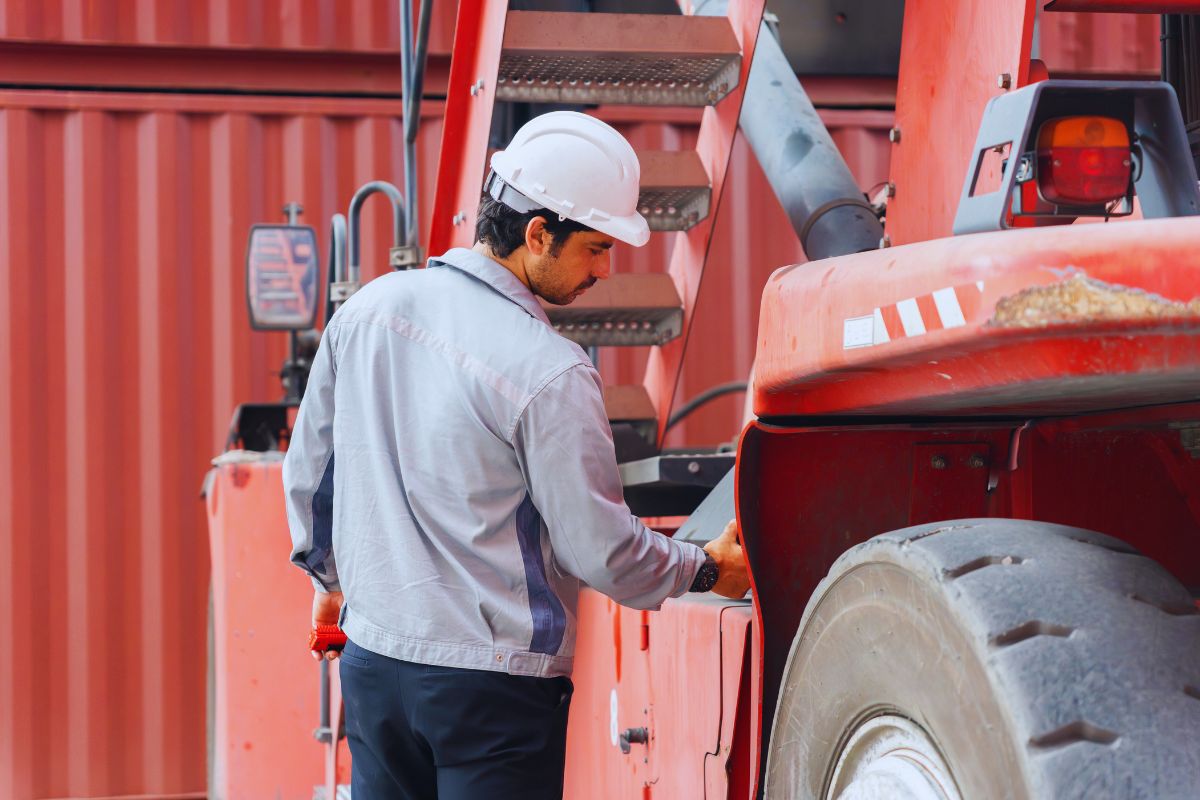
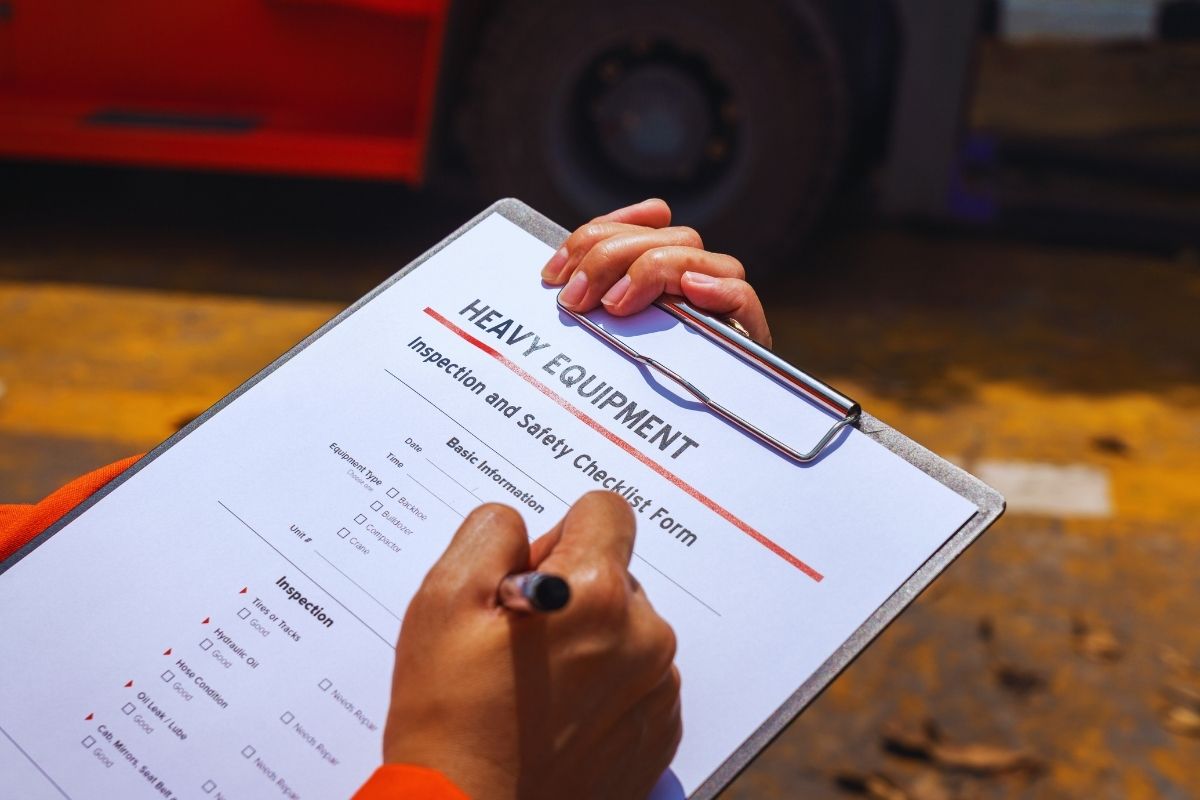
The most effective forklift maintenance habit is the daily pre-operation inspection. Before each shift, the operator should perform a walk-around check to spot any visible issues. This quick but vital review can prevent accidents and unexpected breakdowns. Create a simple checklist that operators can follow.
The inspection should be done while the forklift is off and should include:
- Checking for any leaks (hydraulic fluid, coolant, or oil).
- Inspecting forks and mast for cracks or damage.
- Verifying tire condition and pressure.
- Ensuring the load backrest is secure.
- Checking that safety decals and plates are legible.
2. Keep Fluid Levels Topped Up
Forklifts rely on various fluids to operate, including hydraulic fluid, brake fluid, coolant, and engine oil. Low fluid levels can cause overheating, loss of lifting power, and permanent damage to the engine or hydraulic system.
Make fluid checks a core part of your forklift maintenance schedule. Operators should know how to check these levels and report any that are consistently low, as this could indicate a leak. Regularly changing fluids and filters according to the manufacturer’s recommendations is also crucial for long-term health.
3. Pay Attention to the Tires
Forklift tires bear the entire weight of the machine and its load. Worn, damaged, or under-inflated tires can lead to instability, increasing the risk of a tip-over. They also reduce fuel efficiency and put extra strain on the forklift’s transmission.
During daily checks, inspect tires for:
- Deep cuts, cracks, or embedded objects.
- Excessive wear, especially uneven wear patterns.
- Proper inflation for pneumatic tires.
Ensure tires are replaced when they reach their wear limit. Don’t wait for a blowout to happen.
4. Test the Brakes Every Day
Faulty brakes are a major safety hazard. Before beginning any work, the operator should test the brakes to ensure they are responsive. This includes the service brake, which is used during operation, and the parking brake. The brake pedal should feel firm, not spongy. Any unusual noises or changes in performance should be reported immediately.
5. Inspect the Mast and Chains
The mast and its chains do the heavy lifting. They are under constant stress and require careful inspection. Look for any signs of wear, cracks, or damage on the mast itself. The lift chains should be properly lubricated and have equal tension. A chain that is too loose, too tight, or rusted presents a significant risk. Any sign of damage to a chain link means it’s time for a replacement.
6. Keep the Forklift Clean
A clean forklift is easier to inspect and maintain. Dirt, grease, and debris can hide leaks, cracks, and other potential problems. Caked-on grime can also interfere with moving parts and cause components to overheat, particularly the radiator. Encourage operators to regularly wipe down the machine and use compressed air to clear debris from the radiator and other tight spaces.
7. Charge and Maintain Batteries Properly
For electric forklifts, the battery is the heart of the machine. Improper charging or maintenance can shorten battery life and lead to poor performance. Follow the manufacturer’s guidelines for charging cycles. Avoid opportunity charging, plugging it in for short periods, as this can degrade the battery over time.
Regularly check electrolyte levels and ensure terminals are clean and free of corrosion. Proper battery care is a key aspect of electric forklift maintenance that saves thousands in replacement costs.
8. Listen for Unusual Noises
A forklift should operate smoothly. Any new or unusual noises, such as grinding, squealing, or knocking, are often the first sign of a mechanical problem. Train your operators to pay attention to how the machine sounds. Reporting these noises early allows technicians to diagnose the issue before it causes a major failure.
9. Follow the Manufacturer’s Service Schedule
Every forklift comes with a recommended service schedule from the manufacturer. This schedule outlines when to perform specific maintenance tasks, such as changing oil, replacing filters, and conducting in-depth inspections. Adhering to this plan is the best way to ensure your forklift maintenance program is comprehensive. These intervals are typically based on operating hours, so keeping accurate usage logs is essential.
10. Document Everything
Keep detailed records of all inspections, maintenance tasks, and repairs. This documentation creates a service history for each forklift, which is invaluable for tracking recurring issues and planning future maintenance. It also serves as proof of compliance with safety regulations. A simple logbook or a digital system can be used to record the date, operator, findings, and actions taken.
Your Partner in Forklift Maintenance and Solutions
Implementing a thorough forklift maintenance program can feel like a lot to manage, especially when you have a business to run. That’s where having an expert partner makes all the difference. At Powered Pallet Trucks, we live and breathe material handling equipment. Our team understands the critical role that reliable machinery plays in your success.
Whether you need guidance on setting up a maintenance schedule, sourcing the right parts, or upgrading your fleet, we provide comprehensive solutions tailored to your needs. We believe in proactive care to keep your equipment running at peak performance, ensuring safety and efficiency in your workplace.
Conclusion
Effective forklift maintenance is not about reacting to problems; it’s about preventing them. By making these ten tips a standard part of your operations, you can significantly reduce unexpected breakdowns and costly repairs. A well-maintained forklift is safer, more reliable, and more productive. It’s an investment in the efficiency and longevity of your business. Start building these habits today to protect your team and your equipment for years to come.
Looking for reliable pallet trucks or forklifts?
Superlift offers top-quality materials handling equipment built to keep your operations moving. Explore our full range today and find the right solution for your business.

About The Author
Meet Rei Bayucca, a content specialist at Superlift, bringing clarity to complex topics in materials handling. From pallet trucks to forklifts, Rei’s insights help businesses move smarter.